Ice Cream: The Frozen Dessert That Conquered the World
Ice cream is simple on paper: milk, cream, sugar, and air, frozen while being churned. But that combination has become one of the most universal comfort foods on the planet. From street carts in Naples to high-end tasting menus in Tokyo, everyone has a version.
How It Actually Works
The magic is in the physics, not the ingredients.
When you freeze a mixture of milk and sugar slowly, you get rock-hard ice crystals. Churning keeps the mixture moving as it freezes, breaking those crystals into tiny pieces and whipping air into the mix. That’s why homemade ice cream without a machine often turns out icy, while churned ice cream is smooth and creamy.
Fat is what makes it feel rich. Cream has 36-40% fat. The fat coats the tiny ice crystals and air bubbles, so they don’t stick together. Less fat = more ice, more chew, less melt-in-your-mouth feel.
The 4 Main Styles
1. American-style / Philadelphia-style
No eggs. Just cream, milk, sugar, and flavoring. Faster to make, lighter, and it melts faster. This is what most brands in the US sell.
2. French-style / Custard-based
Uses egg yolks to make a custard base before freezing. Eggs add fat and emulsifiers, so the result is denser, creamier, and melts slower. This is what chefs call “ice cream” in culinary terms.
3. Italian Gelato
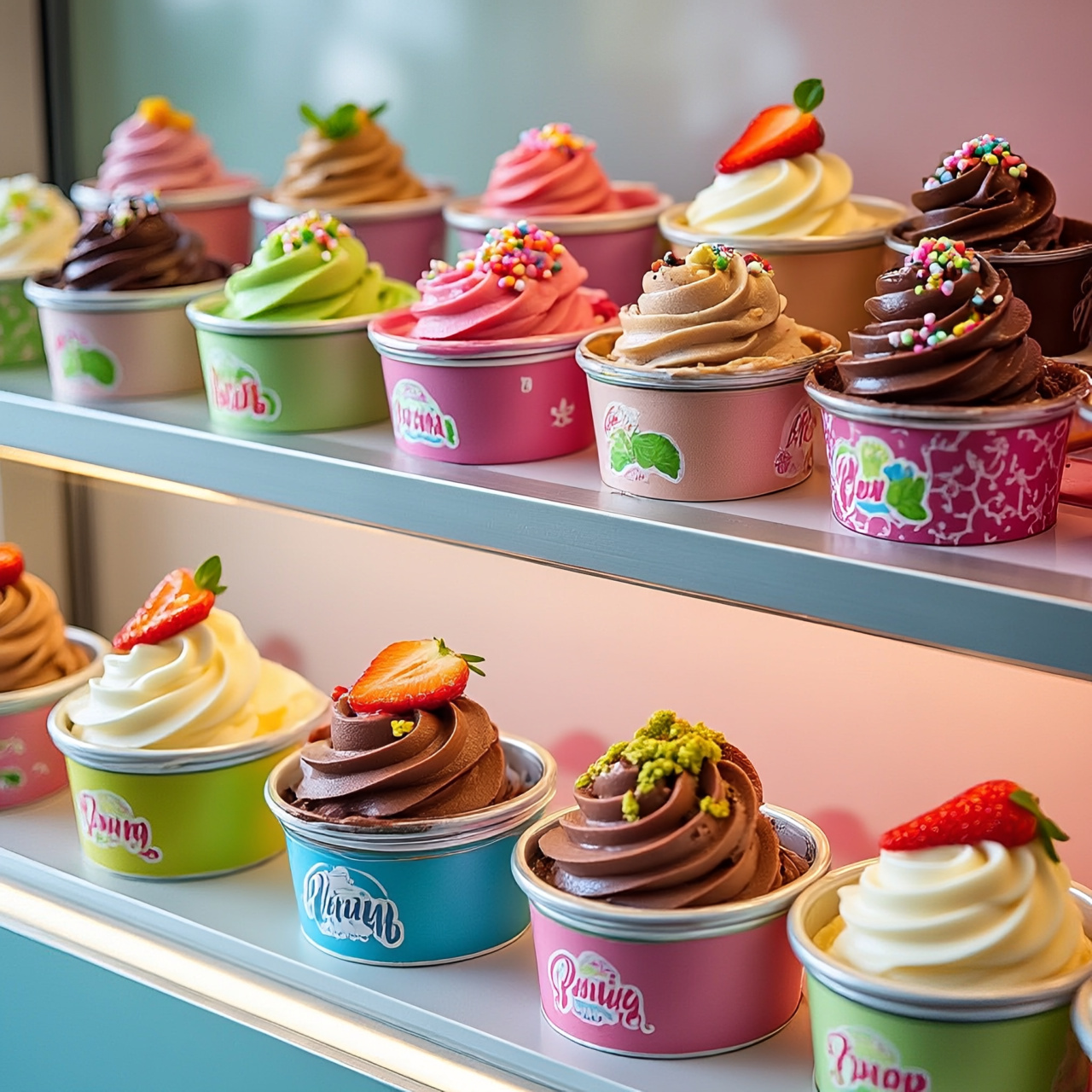
Less fat, more sugar, less air churned in. Served 5-7°C warmer than ice cream, so the flavor hits you faster. That’s why gelato tastes more intense even with less cream.
4. Sorbet and Sherbet
No dairy. Sorbet is fruit, sugar, and water. Sherbet adds a little milk or cream. Both are lighter and dairy-free, but sorbet melts faster and has bigger ice crystals.
Why It’s Hard to Get Right
Three things ruin homemade ice cream:
- Big ice crystals: Happens if you freeze it too slowly or open the freezer too often. The solution is a cold base and a cold freezer.
- Too hard: Too much sugar lowers the freezing point. It won’t freeze solid, but it also won’t scoop.
- Greasy texture: Over-churning or too much fat makes it feel like butter.
Professional ice cream makers control temperature, overrun [air content], and sugar balance to the gram.
The Cultural Role
Ice cream isn’t just dessert. In Italy it’s a daily snack. In Japan it’s a base for unique flavors like matcha, black sesame, and sweet potato. In India, kulfi is frozen slower and denser, eaten on a stick.
What makes it universal is temperature contrast. Cold, sweet, creamy food cuts through heat and fat. That’s why it follows spicy food, heavy meals, and summer afternoons.
The Bottom Line
Good ice cream is 80% technique, 20% flavor. You can add vanilla, chocolate, or mango, but if the base is icy or greasy, no topping saves it. That’s why the best shops guard their base recipe more than their flavors.
Want a no-machine recipe for a custard-based vanilla ice cream that actually stays creamy in a home freezer?