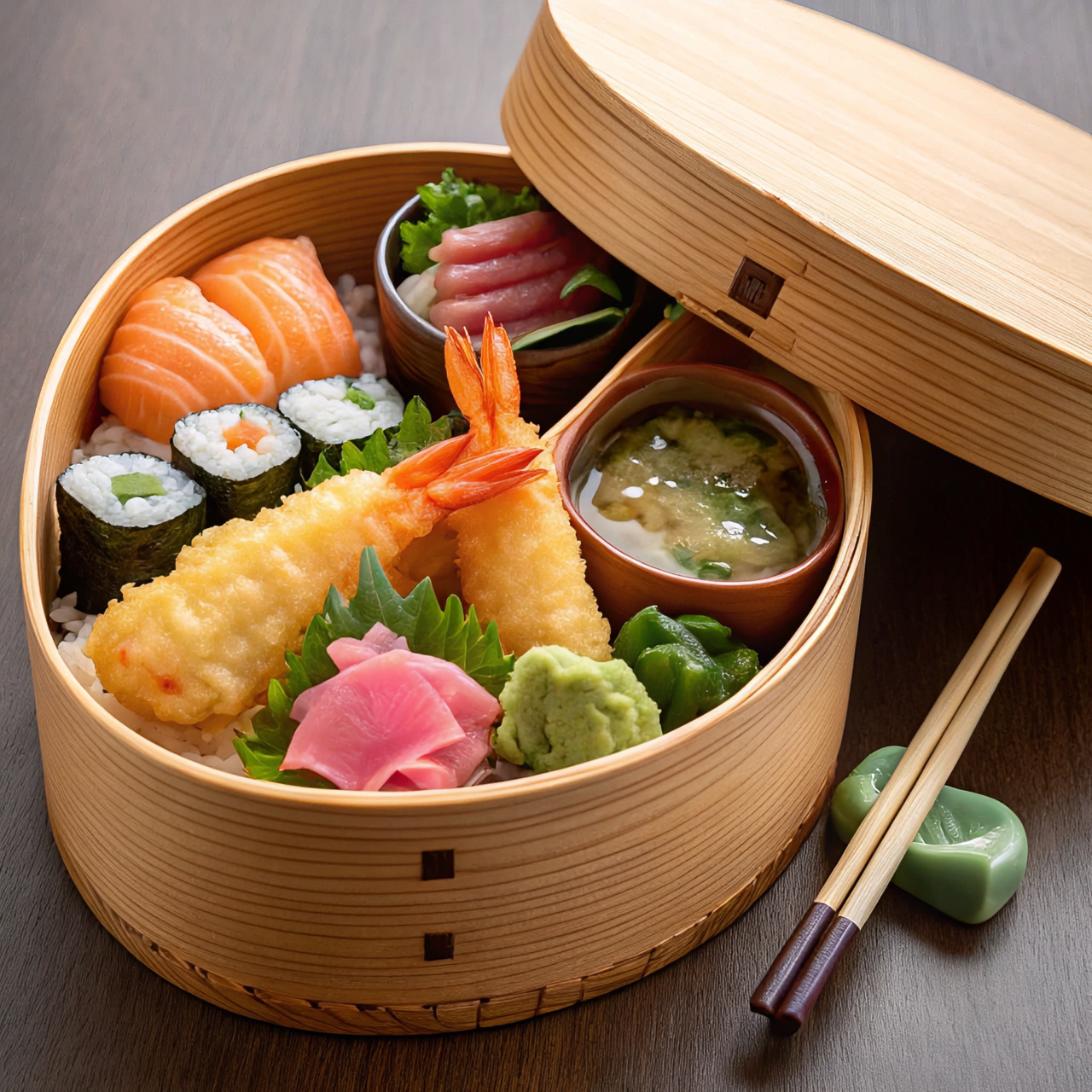
Japanese Food: Why “Simple” Takes Years to Master
Japanese food looks minimal. A bowl of rice, a piece of fish, some pickles, miso soup. But that minimalism is the result of stripping away everything that isn’t necessary. The goal isn’t to show off technique. It’s to let the ingredient speak.
The Core Idea: Umami and Seasonality
Japanese cuisine runs on two ideas:
1. Umami is the backbone
Instead of heavy cream and butter, Japanese cooking builds flavor from dashi, soy sauce, miso, and fermented foods. Dashi is the base – a broth made from kombu seaweed and katsuobushi dried bonito flakes. It tastes savory, clean, and deep without being heavy.
2. Shun: eat what’s in season
“Shun” means the 2-3 week window when an ingredient is at peak flavor. Cherry blossom in spring, sanma mackerel in autumn, fugu blowfish in winter. Menus change constantly because the ingredient changes, not because the chef got bored.
The 5 Cooking Methods
Japanese cuisine is organized around 5 techniques, called goho. Every meal tries to include a balance of them:
- Nama: Raw. Sashimi, sushi. The test of ingredient quality.
- Niru: Simmered. Dishes like nikujaga, simmered meat and potatoes in dashi and soy.
- Yaku: Grilled/broiled. Yakitori, grilled fish. Char adds flavor without masking.
- Musu: Steamed. Chawanmushi egg custard, steamed buns.
- Ageru: Fried. Tempura, karaage. Light batter, high heat, not greasy.
Notice there’s no roasting, no braising for 6 hours, no cream sauces. The point is speed, clarity, and texture.
Rice Isn’t a Side
In Japan, rice is the center. A meal is structured around gohan – plain steamed rice. Everything else is okazu, side dishes meant to help you eat the rice. That’s why portions are small, why flavors are distinct, and why you get 5-6 small plates instead of one big one.
Short-grain Japanese rice is sticky when cooked right. You pick it up with chopsticks without it falling apart. Bad rice ruins the meal, even if the fish is perfect.
Soy, Miso, and Fermentation
Japan doesn’t have much dairy, so fermentation does the job of adding depth.
- Shoyu: Soy sauce. Made from fermented soy and wheat. 6 months to 2 years of aging.
- Miso: Fermented soybean paste. White miso is sweet and mild. Red miso is salty and strong.
- Tsukemono: Pickles. Not just for flavor. They clean the palate between bites of fatty fish.
Fermentation gives salt, acid, and umami in one go. That’s why Japanese food feels “complete” with few ingredients.
What Westerners Get Wrong About Sushi
Sushi isn’t about raw fish. It’s about vinegared rice called shari.
Good sushi chefs spend years learning to cook rice and shape it by hand. The fish is secondary – it should complement the rice, not overpower it. Wasabi and soy sauce are used sparingly. If you drown sushi in soy sauce, you’re tasting soy, not fish.
Edomae sushi from Tokyo also uses aging and curing techniques. Tuna might be aged 7 days. Mackerel is cured in vinegar. It’s preservation as flavor development.
Why Japanese Food Feels Light
Three reasons:
- Oil is used sparingly. Even tempura is fried at high heat for 30 seconds so it doesn’t absorb oil.
- Dashi is low in calories but high in flavor. You get satisfaction without heaviness.
- Meals are balanced. Protein, veg, carbs, fermented, raw – all in small portions.
You leave the table satisfied, not stuffed.
The Bottom Line
Japanese food is hard because it’s easy. There’s nowhere to hide. If your fish isn’t fresh, it shows. If your dashi is weak, the whole dish is weak. That’s why chefs train for 10 years just to make rice and eggs.
But when it’s done right, it feels effortless. Clean flavors, perfect texture, and you can eat it every day without feeling heavy.
Want me to break down how to make proper dashi at home with just kombu and bonito flakes? It changes everything once you taste real stock.