Tacos and Cawl: Two Dishes, Two Cultures, Same Idea
Food tells you how people live. Mexico’s tacos and Wales’ cawl look nothing alike, but both were built on the same principle: take what’s local, make it feed a family, make it taste good every time
Tacos MIX
Tacos started as street food in 18th-century Mexican silver mines. Miners needed something they could eat fast with one hand, using ingredients that wouldn’t spoil.
The structure is simple:
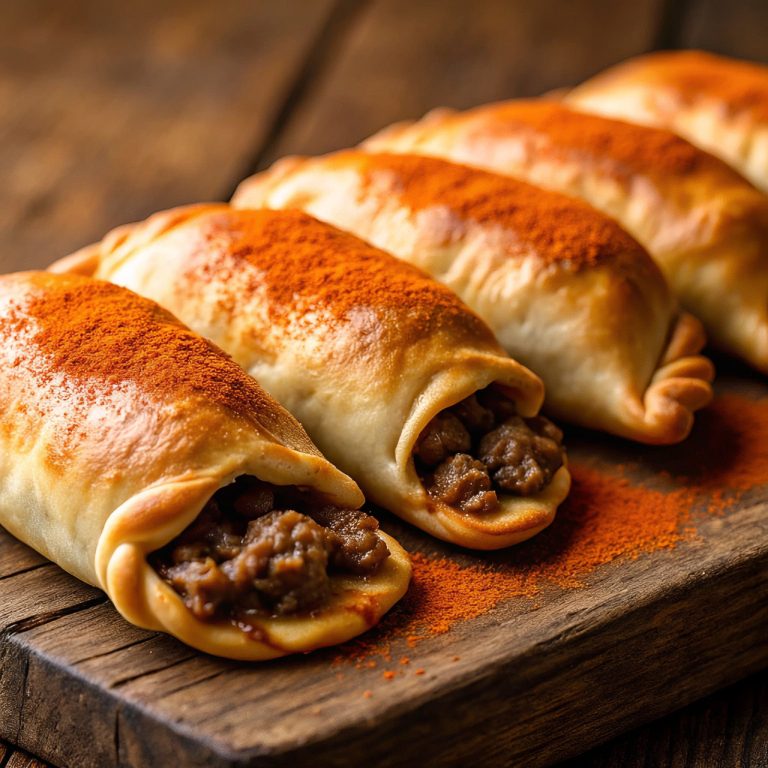
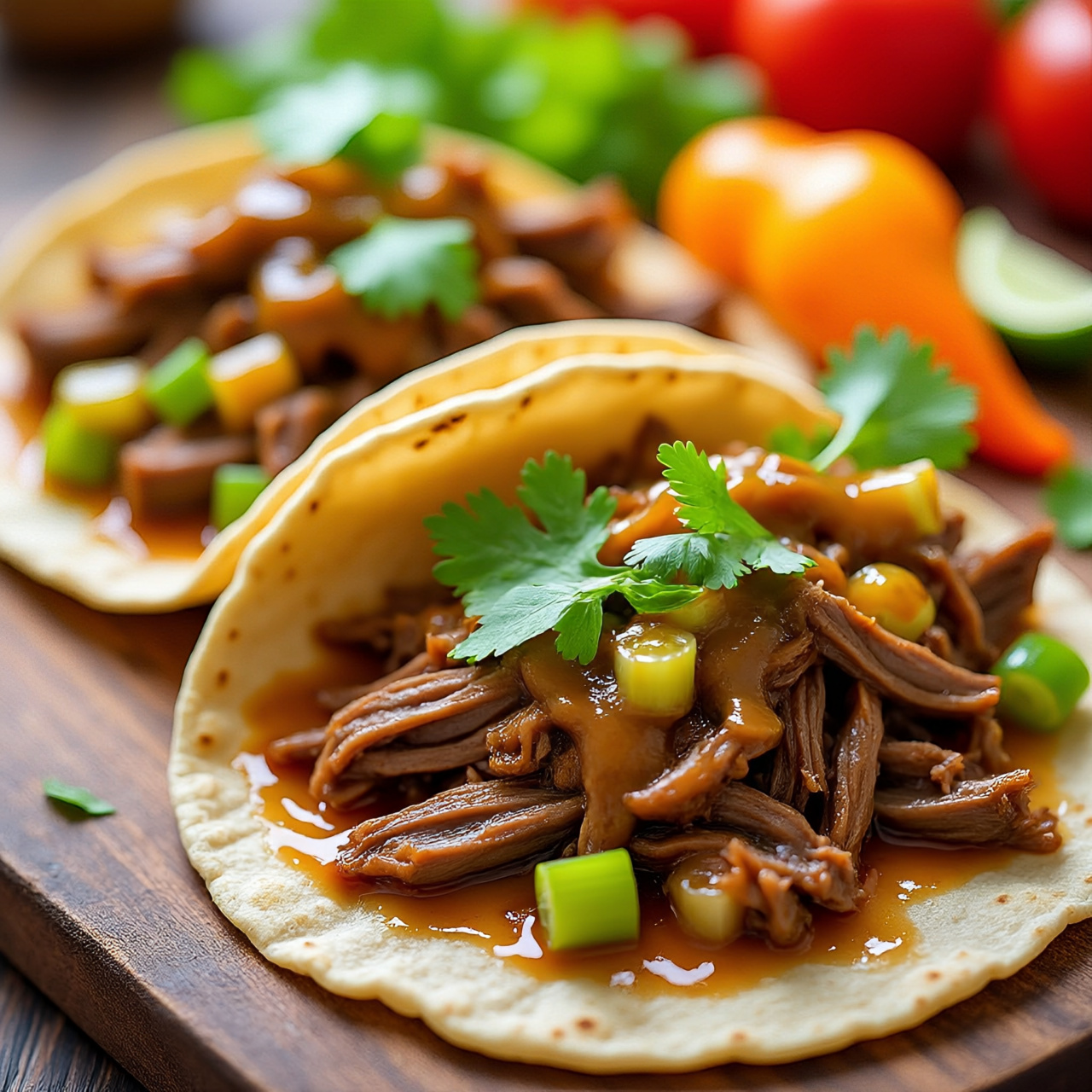
- Tortilla: Corn or flour, cooked on a hot comal until it chars slightly. It’s the plate and the utensil.
- Filling: Grilled meat, fish, beans, or vegetables. Al pastor, carnitas, and carne asada are the classics. Meat is marinated, cooked hot and fast, then chopped.
- Toppings: Onion, cilantro, lime, salsa. That’s it. The point is freshness and contrast.
What makes tacos work is temperature and texture. Hot meat, cold salsa, soft tortilla, crunchy onion. Everything hits at once. Regional versions go deep: fish tacos in Baja, cochinita pibil in Yucatán, barbacoa in central Mexico.
Tacos scale from street stalls to high-end restaurants because the base is flexible. Change the protein and salsa, and you have a new dish.
Cawl 🇼🇱
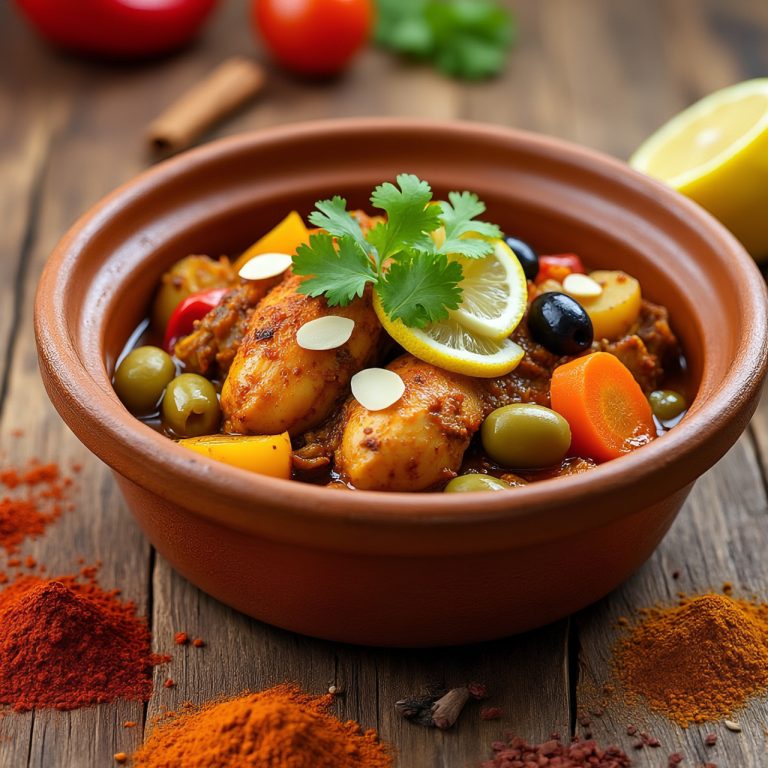
Cawl is Wales’ national dish, and it’s been around since at least the 14th century. It’s a broth-based stew, traditionally made in a single pot over a hearth.
The structure is simple too:
- Broth: Lamb or beef bones simmered for hours with leeks, potatoes, carrots, swede, and herbs.
- Meat: Lamb was traditional because sheep farming dominated Wales. The meat gets tender enough to fall apart.
- Vegetables: Whatever was grown locally. Leeks are the signature – they’re on the Welsh flag for a reason.
Cawl was peasant food. You put everything in the pot in the morning, let it cook slowly, and ate it for lunch and dinner. Leftovers thickened overnight and became cawl cennin, a thicker version eaten the next day.
The flavor is mild, savory, and built on slow extraction. No heavy spices. The leek and lamb do the work. It’s eaten with crusty bread to soak up the broth.
Why They Matter
Both dishes are peasant food that became national symbols. Neither needs expensive ingredients. Both rely on technique over complexity:
- Tacos need heat control and fresh toppings. Overcook the meat or use stale tortillas, and it’s done.
- Cawl needs time and a gentle simmer. Boil it hard and the broth turns cloudy and the meat tough.
They also show how geography shapes food. Mexico’s climate gives you corn, chili, and quick grilling. Wales’ wet climate gives you leeks, root vegetables, and slow stews.
The Common Thread
Street food vs. home stew, but the logic is identical: use local ingredients, cook them right, feed people without waste.
That’s why both have survived industrial food and fast food. You can’t industrialize good tacos or good cawl without losing what makes them good.
Want me to do a fusion version – like lamb cawl tacos with leek salsa?