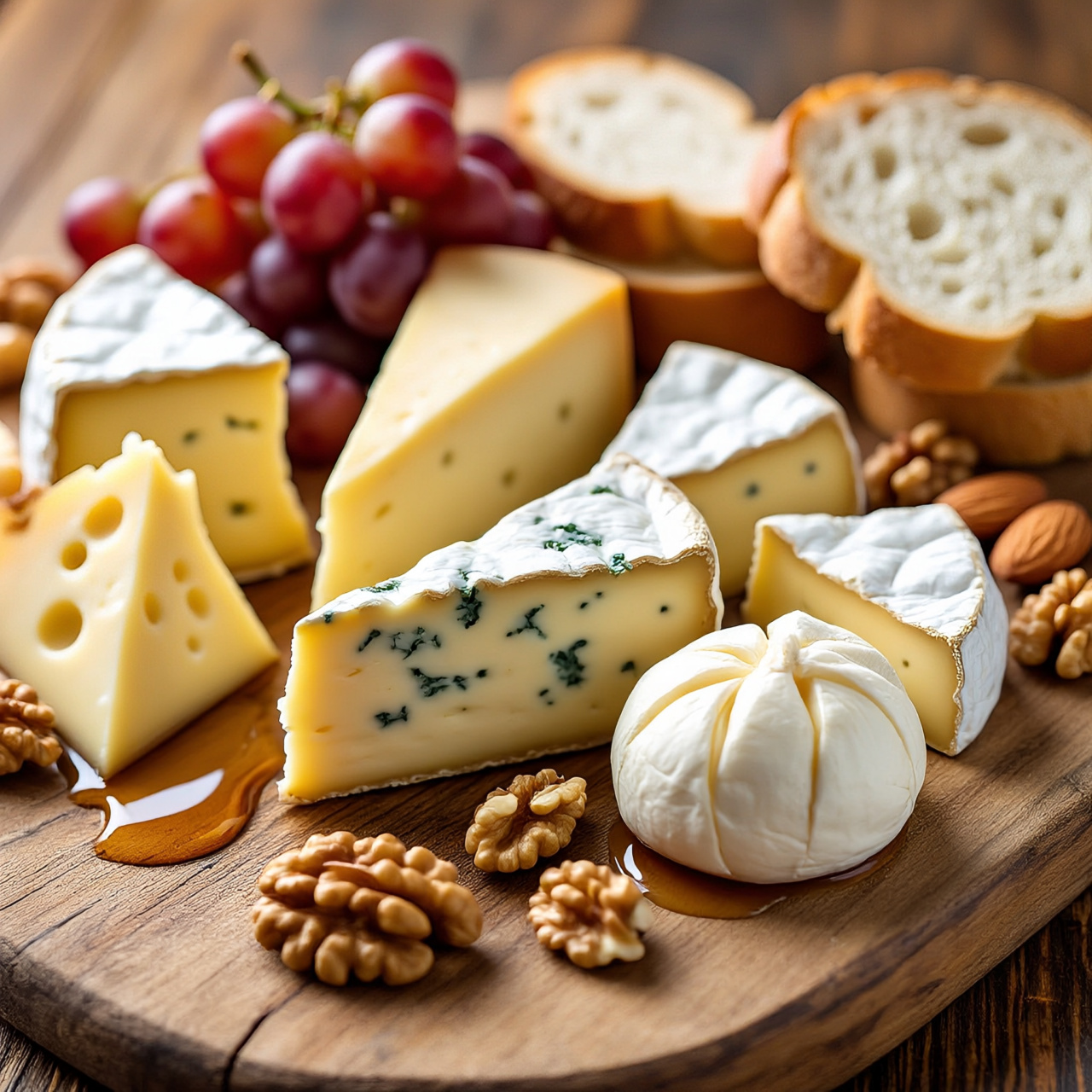
Cheese: Why One Ingredient Can Be 1000 Different Foods
Cheese is milk that refused to go bad. And in refusing, it became one of the most versatile foods on the planet. From fresh mozzarella to aged cheddar, it’s the same starting point – milk, bacteria, rennet, time – but the result changes completely.
How Cheese Happens
It’s a 4-step process that’s been the same for 7000 years:
- Acidify: Bacteria eat lactose and turn it into lactic acid. That’s what makes milk sour and starts curdling.
- Coagulate: Rennet or more acid makes the milk proteins clump into curds. The liquid left is whey.
- Drain and shape: Curds get pressed into a mold. How much whey you squeeze out decides if you get soft brie or hard parmesan.
- Age or don’t: Fresh cheese eats now. Aged cheese gets salted and left in a cool cave for months. Time + microbes + air = flavor.
That’s it. The variables are milk type, bacteria strain, temperature, salt, and time.
The Main Families
Fresh cheeses: Mozzarella, feta, ricotta, paneer. High moisture, mild flavor, eaten young. They melt or crumble, they don’t age well.
Soft-ripened: Brie, camembert. White mold on the outside breaks down the inside. Creamy, earthy, gets runny at room temp.
Washed-rind: Munster, taleggio. Washed with brine or alcohol during aging. Stinky smell, milder taste, great with bread.
Hard aged: Cheddar, gouda, parmesan. Low moisture, pressed hard, aged 6 months to 3 years. Concentrated, salty, umami bombs.
Blue: Roquefort, gorgonzola, stilton. Injected with Penicillium mold. Sharp, salty, metallic. You either love it or you don’t.
Why It Tastes So Good
Cheese hits 3 things at once:
- Fat: Creamy mouthfeel, carries flavor.
- Salt: Flavor enhancer, preserves it.
- Umami: Glutamates build up during aging. Aged parmesan has more natural glutamate than MSG.
Plus, the breakdown of proteins and fats during aging creates hundreds of flavor compounds. That’s why a 24-month parmesan tastes nothing like the milk it came from.
What Cheese Does to a Dish
Cheese isn’t just flavor. It changes texture and function:
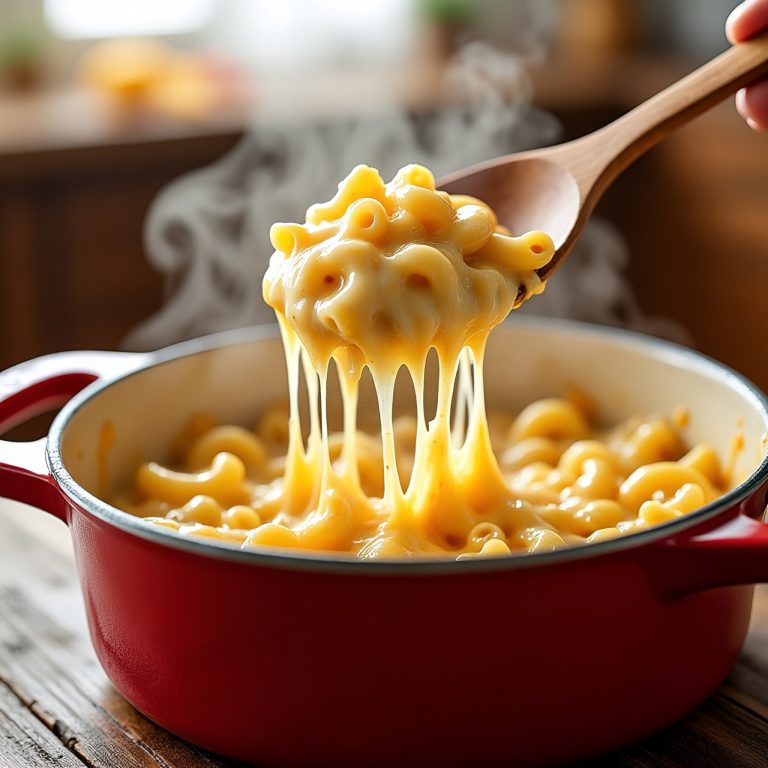
- Melting: Mozzarella, cheddar, gruyere have the right fat/moisture ratio to melt smooth. Fresh feta won’t.
- Browning: Aged hard cheeses brown and crisp in the oven. That’s the Maillard reaction + caramelized milk sugars.
- Binding: Ricotta and mascarpone thicken sauces without flour.
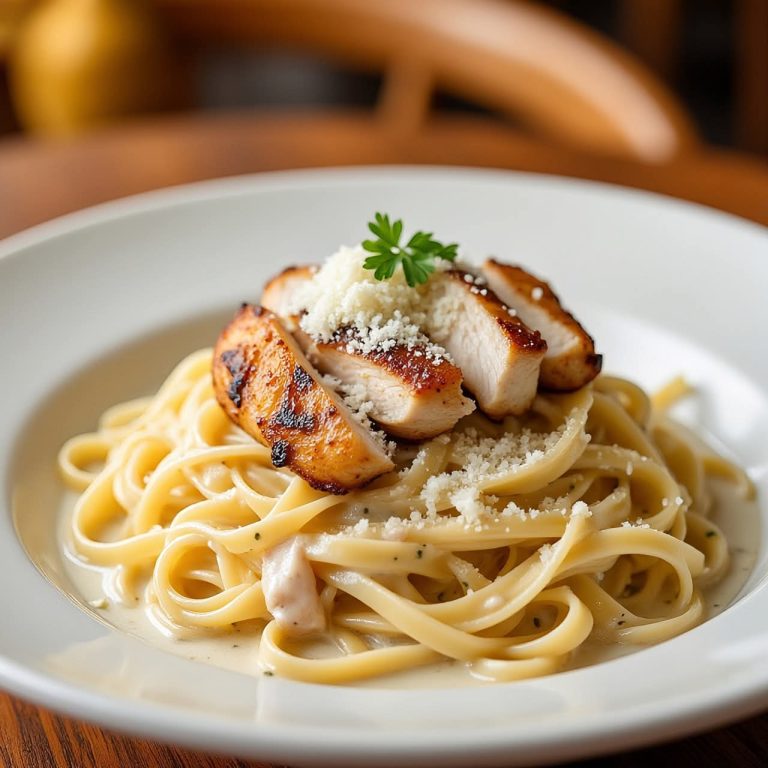
- Balancing: A salty cheese cuts through fat and sweetness. Think blue cheese with pear, or parmesan on tomato pasta.
The Common Mistakes
- Melting fresh cheese: It’ll separate and get grainy. Use it for crumbling, not melting.
- Boiling hard cheese: Heat breaks the emulsion. Melt it low and slow.
- Serving it cold: Cold mutes flavor and fat. Take cheese out 30 min before eating.
- Pairing wrong: Light wines with light cheeses, bold reds with aged cheeses. The fat needs acid to cut through it.
The Bottom Line
Cheese works because it’s concentrated milk + time. You can use it for protein, fat, salt, texture, and flavor all at once. That’s why it shows up in everything from breakfast eggs to dessert.
If you tell me what cheese you have in the fridge, I’ll give you 3 ways to use it that don’t just mean “put it on toast.”