Argentine Beef Empanadas: A Classic You Can Make at Home
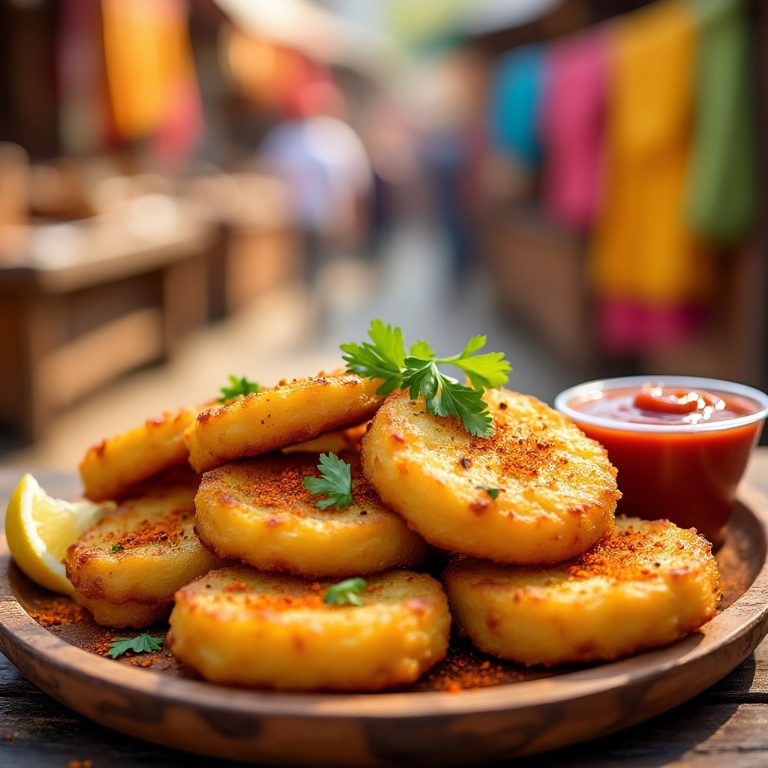
The empanadas in the photo are classic Argentine beef empanadas – golden, baked, with a juicy filling and a side of chimichurri. They’re a staple at family gatherings, street stalls, and asados across Argentina. Crispy on the outside, savory inside, and meant to be eaten with your hands.
What Makes Argentine Empanadas Different
Empanadas exist all over Latin America and Spain, but the Argentine version has a few signatures:
- The dough: Made with flour, butter or lard, egg, and water. It’s sturdy enough to hold a moist filling but bakes up flaky and tender.
- The filling: Traditionally made with chopped beef, not ground, cooked with onions, cumin, paprika, and often a bit of chopped hard-boiled egg and olives.
- Baked, not always fried: In Buenos Aires and most of central Argentina, they’re baked. In the north, frying is more common.
- The fold: The “repulgue” – that braided edge you see in the photo – isn’t just decoration. It seals the empanada and signals the filling inside.
What’s in the Photo
Based on the image:
- Pastry: Golden brown with a blistered top, so these were oven-baked.
- Filling: Finely chopped beef with onions, cooked until moist but not wet. You can see the texture when one is broken open.
- Garnish: Fresh parsley on top, lemon wedges for acidity, and a small bowl of chimichurri for dipping.
- Serving: On a wooden board, casual and shareable.
Simple Recipe for 12 Empanadas
For the dough:
- 3 cups all-purpose flour
- 1/2 cup cold butter, cubed
- 1 egg
- 1/2 tsp salt
- 1/2 cup cold water
Mix flour and salt, cut in butter until crumbly, add egg and water. Knead briefly, wrap, and chill 30 min. Roll to 1/8 inch thick and cut 5-inch circles.
For the filling:
- 1 lb beef, finely chopped or ground
- 2 onions, finely diced
- 1 tsp cumin
- 1 tsp sweet paprika
- 1/2 tsp chili flakes, optional
- Salt and pepper to taste
- 2 hard-boiled eggs, chopped
- 10 green olives, sliced
- 2 tbsp raisins, optional but traditional in many regions
Cook onions until soft, add beef and spices, cook until just done. Let cool completely, then mix in egg, olives, and raisins. Cooling prevents soggy dough.
Assembly:
Place 2 tbsp filling in the center of each dough circle. Fold, seal edges with water, and crimp with a fork or make a repulgue. Brush with egg wash. Bake at 400°F / 200°C for 15-18 min until golden.
Chimichurri:
Blend 1 cup parsley, 3 garlic cloves, 1 tsp oregano, 1/2 tsp chili flakes, 1/4 cup vinegar, 1/2 cup olive oil, salt. Let sit 20 min before serving.
Tips That Matter
- Cool the filling completely before filling. Hot filling melts butter in the dough and makes it soggy.
- Don’t overfill. Two tablespoons max, or they’ll burst in the oven.
- Egg wash is key for that golden color you see in the photo.
- Serve hot with lemon. The acid cuts the richness and wakes up the flavor.
Why They Work
Empanadas hit the sweet spot between snack and meal. They’re portable, reheatable, and flexible – you can swap beef for chicken, cheese and spinach, or corn and ham. The combination of flaky dough, seasoned meat, and bright chimichurri gives you fat, salt, acid, and herb in one bite.
That’s why they show up everywhere in Argentina, from home kitchens to stadiums.
Want me to give you a version of the filling that works for meal prep and freezes well?
Food That Actually Helps Your Body
Not all food works the same way. Some just fill you up, others give your body the raw materials it needs to repair, fight off illness, and keep your energy steady. When people say “food that’s good for you,” they usually mean foods dense in nutrients and low in the stuff that causes problems when overeaten.
Here’s how to think about it, plus a few examples that consistently show up in research.
What “Good for the Body” Actually Means
A food earns that label if it does a few things well:
- Delivers micronutrients – Vitamins, minerals, and antioxidants your body can’t make itself.
- Provides quality protein and healthy fats – For muscle repair, hormones, and brain function.
- Adds fiber – Feeds gut bacteria, slows digestion, and keeps blood sugar stable.
- Minimizes downside – Low in added sugar, refined flour, and trans fats.
You don’t need to eat perfectly. The goal is to make these foods the default, so the less helpful stuff doesn’t crowd them out.
5 Foods With a Lot of Evidence Behind Them
1. Salmon and other fatty fish
Rich in omega-3s EPA and DHA, which reduce inflammation and support heart and brain health. A serving twice a week covers most people’s needs. If you don’t eat fish, sardines and mackerel are cheaper and have less mercury.
2. Legumes: lentils, chickpeas, beans
Protein, fiber, iron, and folate in one package. They’re slow to digest, so they keep you full and stabilize blood sugar. Countries with high legume consumption tend to have lower rates of heart disease.
3. Berries: blueberries, strawberries, raspberries
Packed with anthocyanins and vitamin C. The color is the clue—those compounds help fight oxidative stress. Frozen berries are just as good and cheaper out of season.
4. Leafy greens: spinach, kale, arugula
Low calorie, high in vitamin K, folate, magnesium, and nitrates that help blood flow. The bitterness means they’re high in phytonutrients. Sautéing them with a bit of olive oil improves absorption of fat-soluble vitamins.
5. Nuts and seeds: almonds, walnuts, chia, flax
Small portions give you healthy fats, fiber, magnesium, and vitamin E. Walnuts are especially high in ALA, a plant-based omega-3. A small handful a day is enough.
A Simple Plate That Works
You don’t need to overthink every meal. Use this structure:
- 1/2 plate: Vegetables and fruit. Aim for color variety.
- 1/4 plate: Protein. Fish, eggs, legumes, chicken, tofu—rotate them.
- 1/4 plate: Whole carbs or healthy fats. Quinoa, oats, sweet potato, olive oil, avocado.
- Flavor: Herbs, spices, garlic, lemon. They add compounds that help inflammation without extra calories.
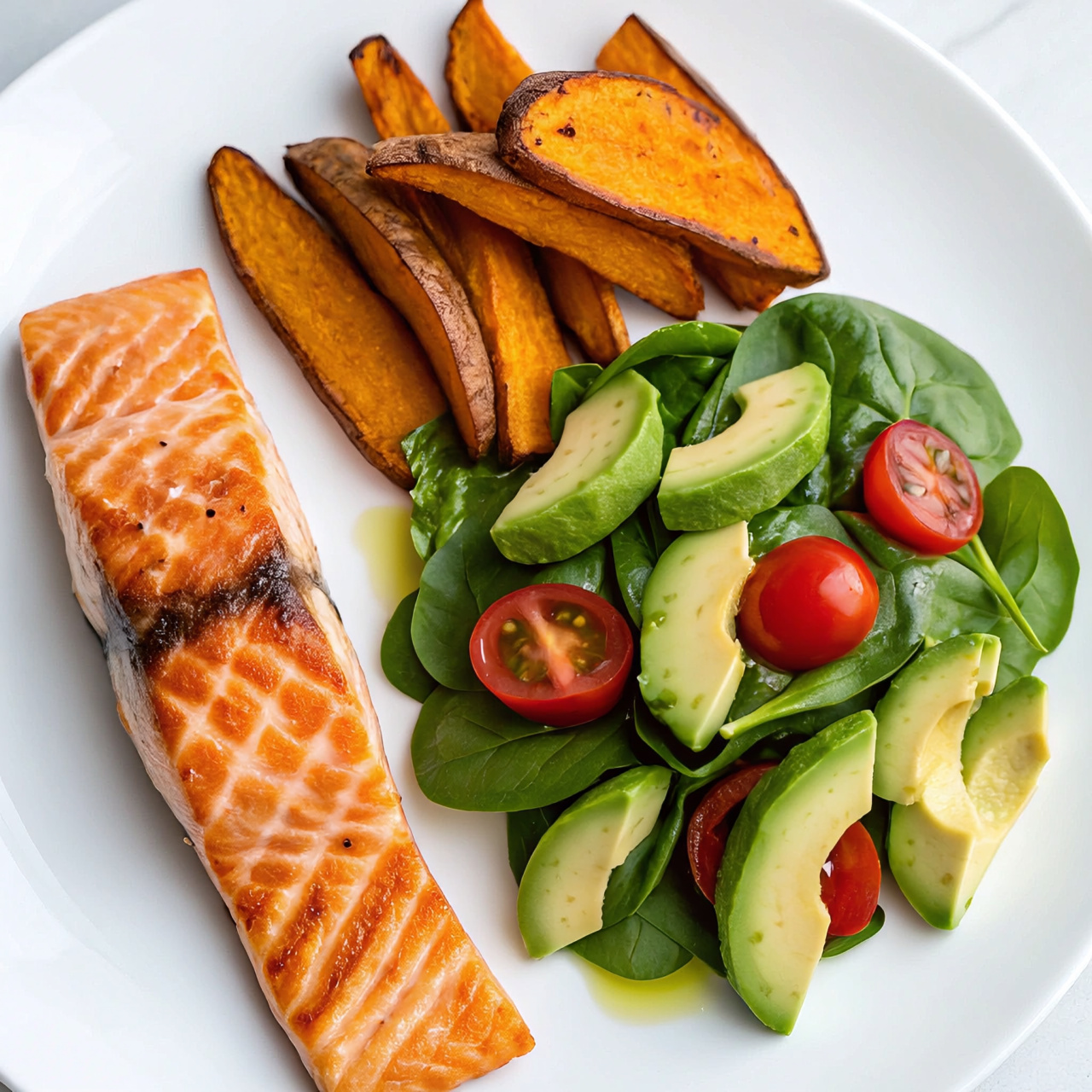
Example: Grilled salmon, roasted sweet potato, and a salad of spinach, cherry tomatoes, and olive oil dressing. That’s protein, fiber, healthy fat, and antioxidants in one meal.
What to Watch Out For
“Healthy” gets thrown around a lot. Be wary of:
- Ultra-processed foods with long ingredient lists and added sugar. They’re designed to be overeaten.
- Juices and smoothies with no fiber. Sugar hits fast without the fiber to slow it down.
- Low-fat versions of everything. Fat helps with satiety and nutrient absorption. Full-fat yogurt is often better than the sugar-loaded low-fat version.
The Bottom Line
Food that’s good for your body isn’t rare or expensive. It’s mostly whole, minimally processed ingredients that give you fiber, protein, healthy fats, and micronutrients. Eat a variety, cook more than you buy, and don’t stress about being perfect.
If you want, tell me what ingredients you have at home and I’ll build you a 3-day meal plan using foods that fit this idea.